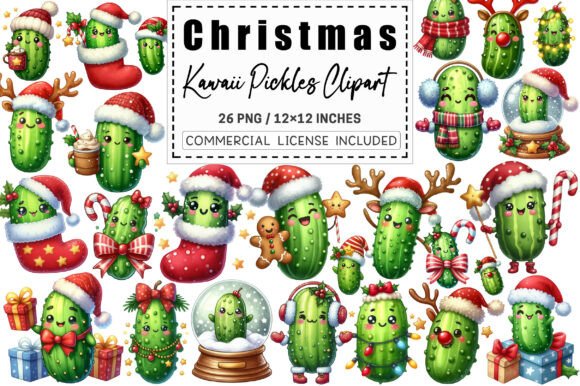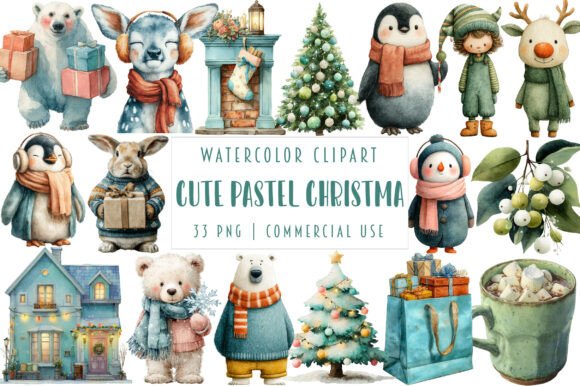
Christmas Winter Planner Clipart for Illustrations
In the world of digital publishing, visual communication is not merely decorative; it is foundational to reader trust and engagement. As a blog designer and digital publisher who has managed content workflows for years, I approach every graphic design asset with a critical eye toward editorial quality, web performance, and brand cohesion. When evaluating seasonal assets like the Christmas Winter Planner Clipart, the question is never just "does it look nice?" but rather "does this support a polished, clickable, and trustworthy content experience?"
This review examines how this specific collection of Illustrations fits into real-world publishing scenarios, from affiliate marketing blogs to educational newsletters.
The First Impression: Editorial Mood and Visual Identity
The initial encounter with the Christmas Winter Planner Clipart reveals a distinct editorial mood that balances seasonal warmth with organizational clarity. For publishers in the lifestyle, productivity, or wellness niches, this aesthetic strikes a chord that feels both modern and inviting. The design language suggests a blend of clean lines and festive charm, avoiding the clutter often associated with generic holiday graphics.
From a brand identity perspective, these visuals communicate structure and joy simultaneously. This is crucial for content that aims to guide readers through planning, goal-setting, or holiday preparation. The style leans towards a sophisticated yet accessible vibe, making it suitable for audiences who appreciate modern design without sacrificing the cozy atmosphere of the winter season. It avoids being overly childish or strictly corporate, positioning itself perfectly in the sweet spot of contemporary lifestyle publishing.
Integrating Design Assets into Real Publishing Workflows
A powerful design asset must be versatile enough to span multiple touchpoints in a user’s journey. In my workflow, I rarely use a single graphic in isolation. Instead, I deploy cohesive sets across various platforms to reinforce visual hierarchy and brand recognition. Here is how the Christmas Winter Planner Clipart integrates into a comprehensive content strategy:
- Blog Featured Images and Headers: These cliparts serve as excellent anchors for article headers, providing immediate context about the post’s seasonal theme. They help establish a website header aesthetic that feels curated rather than templated.
- Pinterest Pins and Social Media Graphics: On visually driven platforms like Pinterest, strong imagery drives click-through potential. These illustrations offer high contrast and clear focal points, essential for standing out in crowded feeds. They can be adapted into Pinterest pin designs that promise value, such as "Holiday Planning Checklist" or "Winter Goal Setting."
- Digital Guides and Lead Magnets: For content marketing efforts aimed at building an email list, downloadable resources are key. This clipart set is ideal for covers of digital guides, worksheets, or planners. A well-designed cover increases the perceived value of a free lead magnet.
- Newsletter Banners: Email open rates can be boosted by visually appealing headers. Using these assets in newsletter graphics creates a consistent look that subscribers come to expect and trust during the holiday season.
- Canva Templates and Editable Files: For creators offering templates, these cliparts provide ready-made elements that users can manipulate. This supports the growing market for Canva template products, allowing small business owners to quickly create professional-looking social posts.
Supporting Content Performance Through Visual Clarity
Investing in high-quality creative design directly impacts how readers perceive your authority. When a website looks polished, readers assume the content within is equally rigorous. The Christmas Winter Planner Clipart contributes to this perception by offering:
- Stronger First Impressions: Visitors form an opinion within seconds. Clean, thematic visuals signal that the site is active and well-maintained.
- Better Click-Through Potential: Clear visual cues help users identify relevant content faster, reducing bounce rates on category pages.
- Improved Reader Trust: Consistency in design assets builds familiarity. When a user sees the same aesthetic across a blog post, a PDF download, and an Instagram story, it reinforces brand reliability.
- Professional-Looking Content Pages: Even simple edits benefit from elevated graphics. These cliparts add depth to otherwise text-heavy layouts.
Strategic Placement: Where the Asset Shines
To maximize impact, placement matters. The Christmas Winter Planner Clipart performs best in areas where visual breathing room allows the details to be appreciated.
I recommend using these illustrations in hero images where they can take center stage, or as editorial accents alongside pull quotes and key takeaways. They are particularly effective for category visuals on a homepage, helping to segment content (e.g., separating "Holiday Recipes" from "Budget Planning"). Additionally, using them in downloadable resources ensures that the user experience remains delightful even after they leave your website, extending the brand's reach.
Areas Requiring Careful Consideration
No single asset is universal. There are contexts where this clipart set may need adjustment or should be avoided entirely.
- Small Mobile Thumbnails: At very small sizes, intricate details may blur or become indistinguishable. Always test how the image renders as a thumbnail on mobile devices.
- Text-Heavy Blog Images: If the background is busy, legibility suffers. Ensure there is sufficient negative space or overlay opacity when placing text over these graphics.
- Serious Professional Niches: For corporate finance or legal tech blogs, the festive nature might undermine the serious tone required. Use discretion based on your audience expectations.
- Low-Contrast Backgrounds: To maintain visibility, avoid placing light-colored cliparts on white backgrounds without outlines or shadows.
Practical Publisher Notes for Implementation
Before deploying any commercial design element, a rigorous testing phase is non-negotiable. Here is a checklist I apply to ensure technical and aesthetic excellence:
Screen Testing: View the asset on desktop monitors, tablets, and smartphones. Does it scale appropriately? Does it lose resolution?
Typography Pairing: Experiment with different font styles to see what complements the illustration. Try pairing the clipart with a classic serif font for elegance, a clean sans serif font for modernity, or a script font for a personal touch. Avoid clashing with overly ornate handwritten fonts unless intentional.
Contrast and Readability: Check the contrast ratio against your background colors. Use tools to verify accessibility standards, ensuring your content is readable for all users.
File Optimization: Large image files slow down page load times, hurting SEO. Compress images properly using tools like TinyPNG or Squoosh before uploading. Aim for WebP or optimized JPEG formats.
Licensing Verification: Most importantly, confirm you have a valid commercial license. If you are monetizing your site through ads, affiliates, or selling digital products, using unlicensed assets can lead to legal issues. Ensure the terms allow for use on affiliate marketing pages and paid digital download products.
Final Verdict for Digital Publishers
The Christmas Winter Planner Clipart is a robust addition to any creative marketplace toolkit intended for serious content creators. It bridges the gap between festive cheer and professional organization, making it highly adaptable for bloggers, educators, and entrepreneurs.
By integrating these Illustrations thoughtfully into your web design and content marketing strategies, you enhance the overall user experience. Whether you are designing a small business branding package or simply updating your blog’s seasonal look, this asset provides the visual polish needed to engage readers and drive action. It is not just a picture; it is a tool for better communication and stronger brand presence in the digital landscape.